Tue 18:00
Coastal listening
East Mediterranean jazz, port-city sessions, and records that sound as if they were cut with salt in the air. The evening runs as a sequence of full sides. No talking during playback. First needle shortly after 18:30.
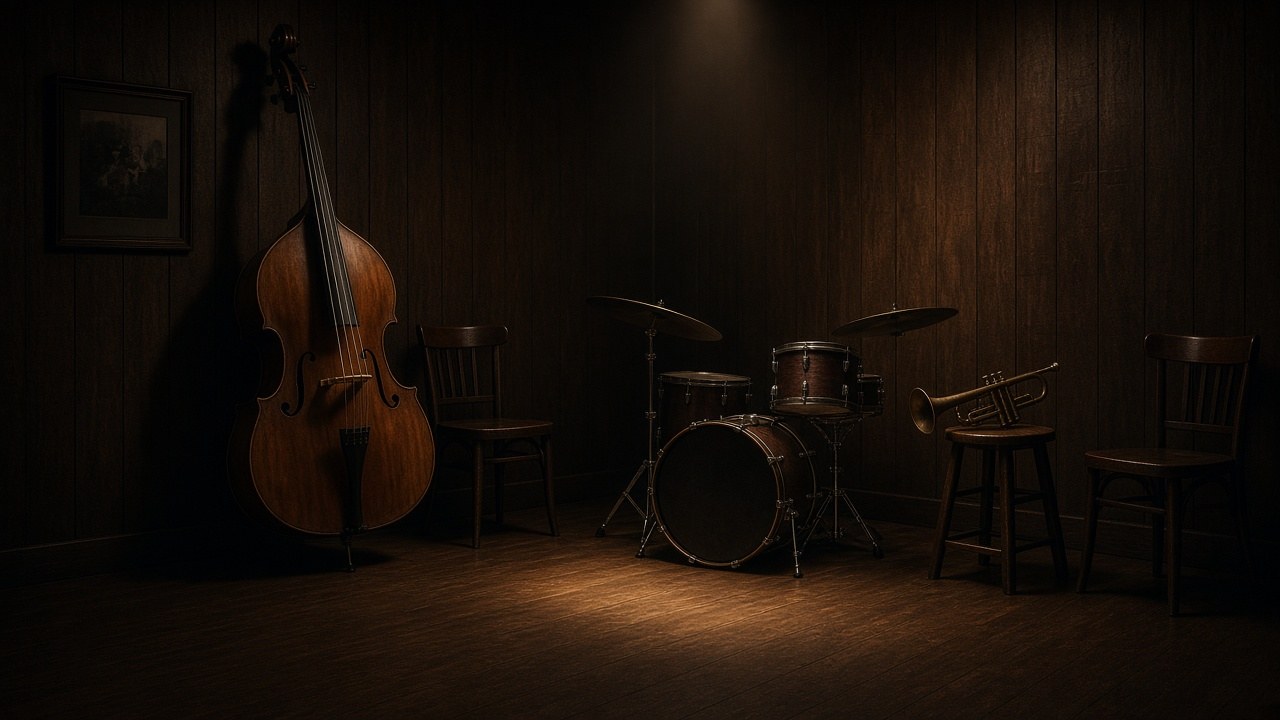
Carmel Center · Haifa
Listening sessions midweek. Trio residencies on the weekend. Sleeve talks when Sunday asks for a single album and a long attention span.
Program
We publish a paper card at each table. The digital page is a map, not a live setlist — the room still decides the next pressing. Reservations are recommended because forty-eight seats do not stretch. Monday the house is dark.
Tue 18:00
East Mediterranean jazz, port-city sessions, and records that sound as if they were cut with salt in the air. The evening runs as a sequence of full sides. No talking during playback. First needle shortly after 18:30.
Wed 18:00
American and European pressings, Blue Note-era weight, and the house’s quieter modal shelves. The heavier idler often works this night. Between sides, the bar pours malt and black coffee.
Thu 18:00
Hebrew, Arabic, and Greek vocal LPs; string dates; radio-orchestra work from the years when Haifa stations still kept tape. A listening night with more lyric, still no chatter over a chorus.
Fri–Sat from 22:00
After the last LP the cabinets rest and the corner fills: piano, bass, brushes — or guitar, tenor, drums. The Carmel Trio holds most Fridays. Port Lights rotates Saturdays. Guest chairs are written on the door slate, never on a LED board.
Sun 17:00
One album, forty minutes of spoken context from a collector, musician, or house listener, then the record played in full without interruption. First Sunday of the month is the standing date; extra talks appear when a pressing deserves the room.
Residencies
Trio nights are not a concert series bolted onto a bar. The players work at conversation volume. Microphones, when used, are for the piano’s inner voice, not for the street. Sets last about fifty minutes. There is no encore machinery. If the room is with them, they play another tune; if the room is tired, we close the lid.
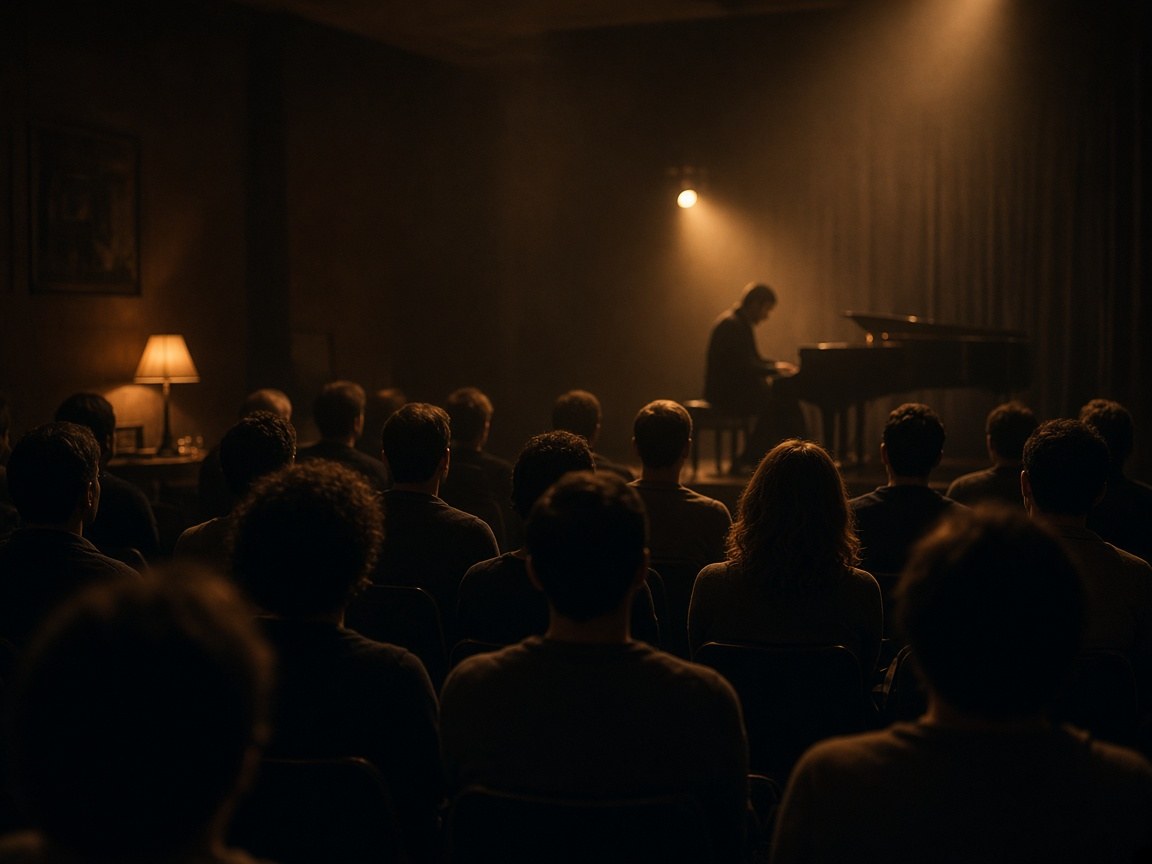
Weekend set — still forty-eight seats, still no standing pit
House rules
Doors open at the posted hour. First side is not a suggestion. Late seating waits for a run-out groove so the inner tracks are not walked over.
Phones face down. Photographs without flash are fine between albums. Conversations belong to the bar interval, not to a saxophone solo on tape or on stage.
Forty-eight covers. Weekends and sleeve talks fill first. Write the door with a date and a number of guests. We hold a table for fifteen minutes past the reserved time.
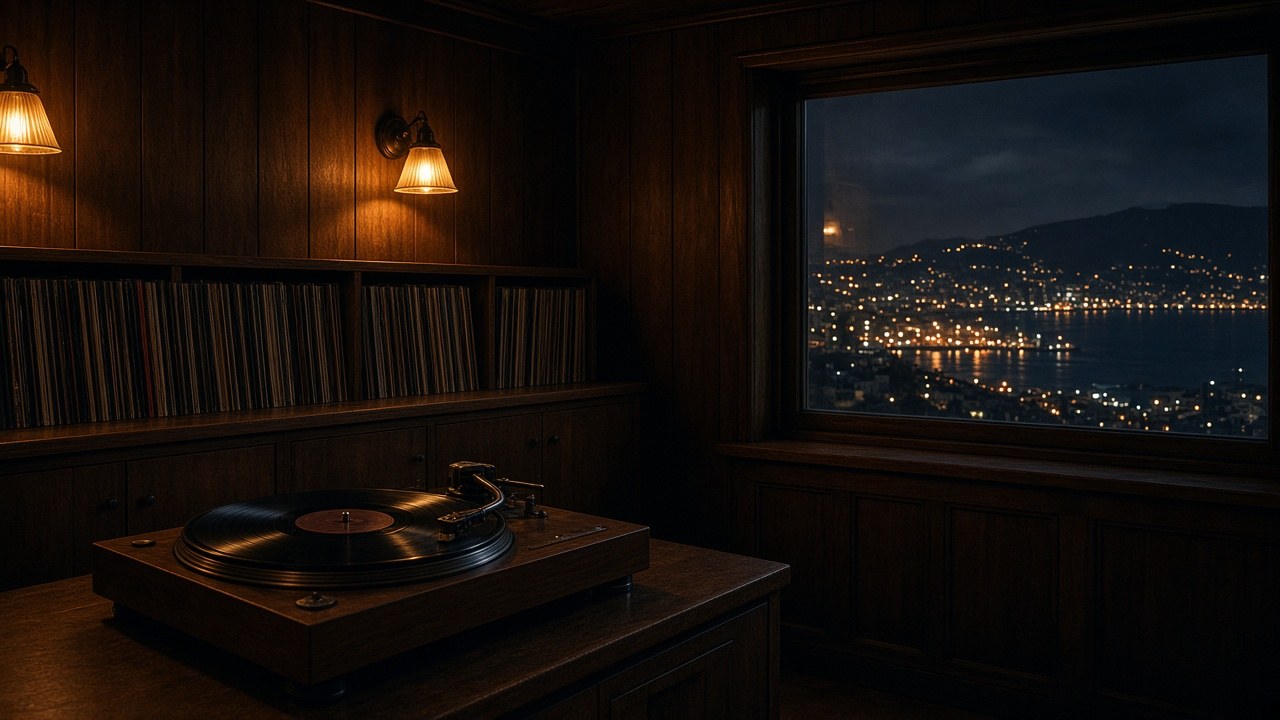

Late seating
Arrive during a side and you will be asked to stand at the coat rail, not to thread the center aisle. Staff seat you in the dark when the run-out begins — never across an inner groove, never in front of booth six while a vocal is still open.
On Friday and Saturday after 22:00, late arrivals enter between tunes, not during a brush solo. A reserved table is held for fifteen minutes. After that the chair returns to the walk-in list and the next name on paper takes it. We would rather you miss the first chorus than walk it.
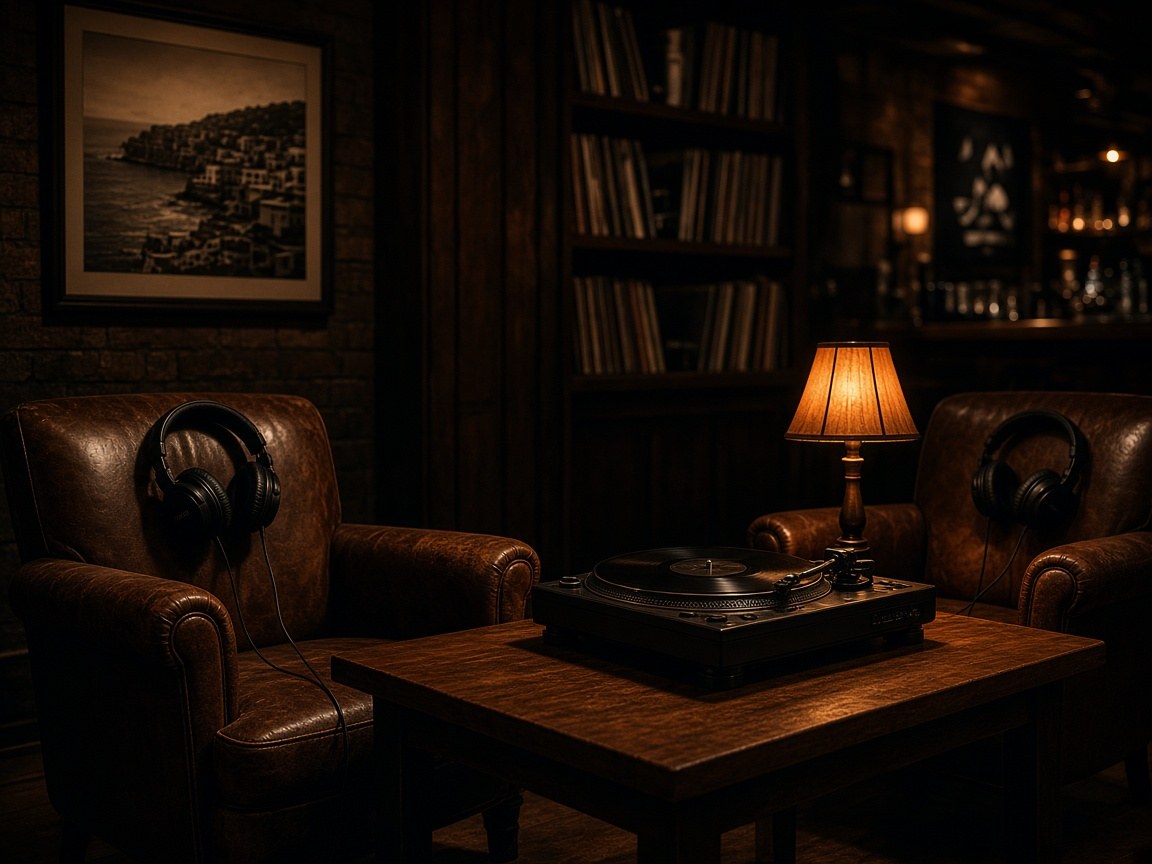
Booth held — seated only when the side ends
Trio residency
The Carmel Trio works most Fridays from autumn through early summer: upright piano, double bass, brushes. The repertoire is standards and house tunes that survive the last row — not festival charts, not a merch table in the aisle. July and August the Friday chair often passes to a guest piano trio from Jerusalem or the north, written on the slate, not on a poster wall.
Port Lights holds Saturday: guitar, tenor, drums, with invited chairs from Haifa and Tel Aviv. Sets are about fifty minutes. There is no encore ritual. If the room is with them, they play another; if the room is spent, the lid closes and the bar pours. Same forty-eight seats. Same lamps. No standing pit.
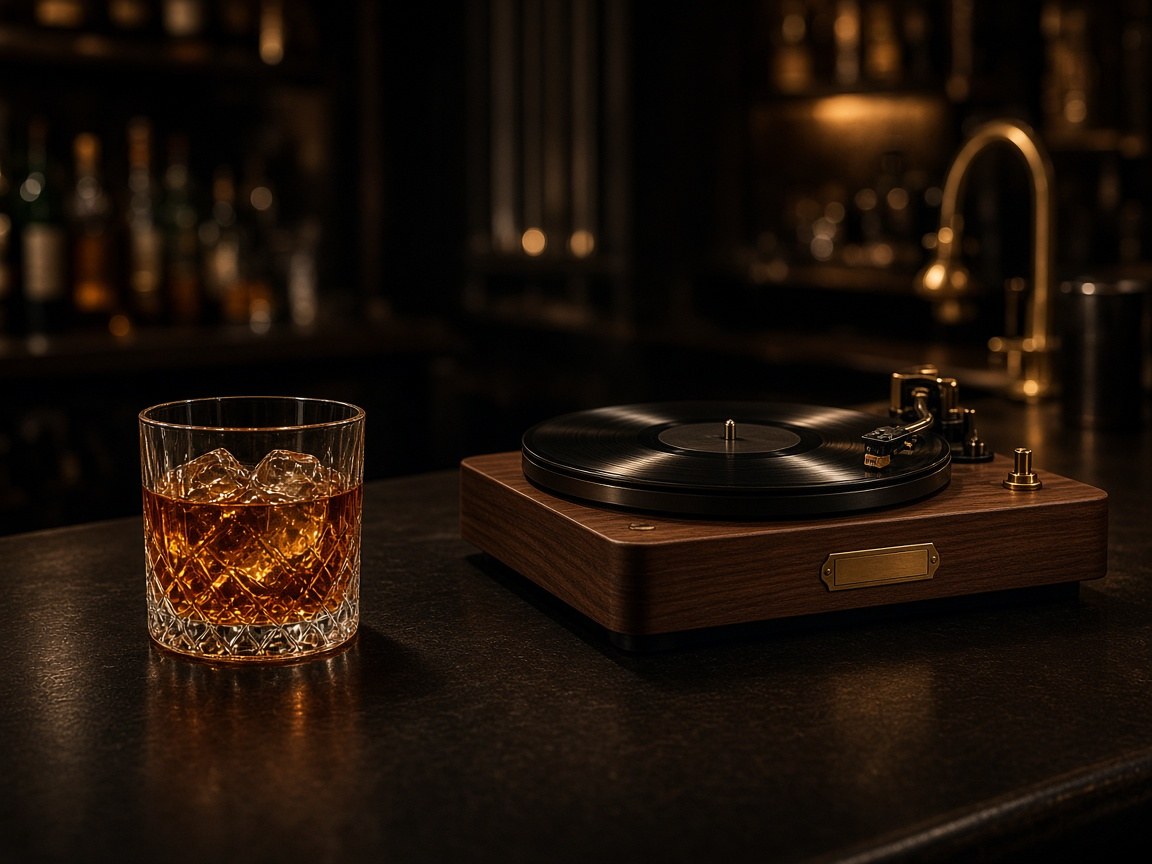
Interval pour — then the lid opens, not a light show
Sunday sleeve-talk
Doors at 17:00. The speaker begins around 17:25 — a collector, a radio person, a musician walking a single sleeve. About forty minutes of spoken context. No slides. No laser pointer. Then the record is played in full without interruption, often from the locked drawer with a listening copy on the platter when we have one.
The first Sunday of the month is the standing date. Extra talks appear when a pressing deserves the room. Questions wait for the run-out. The same forty-eight seats apply; these nights fill first. Write the door with the date on the card, not a vague “sometime in spring.”
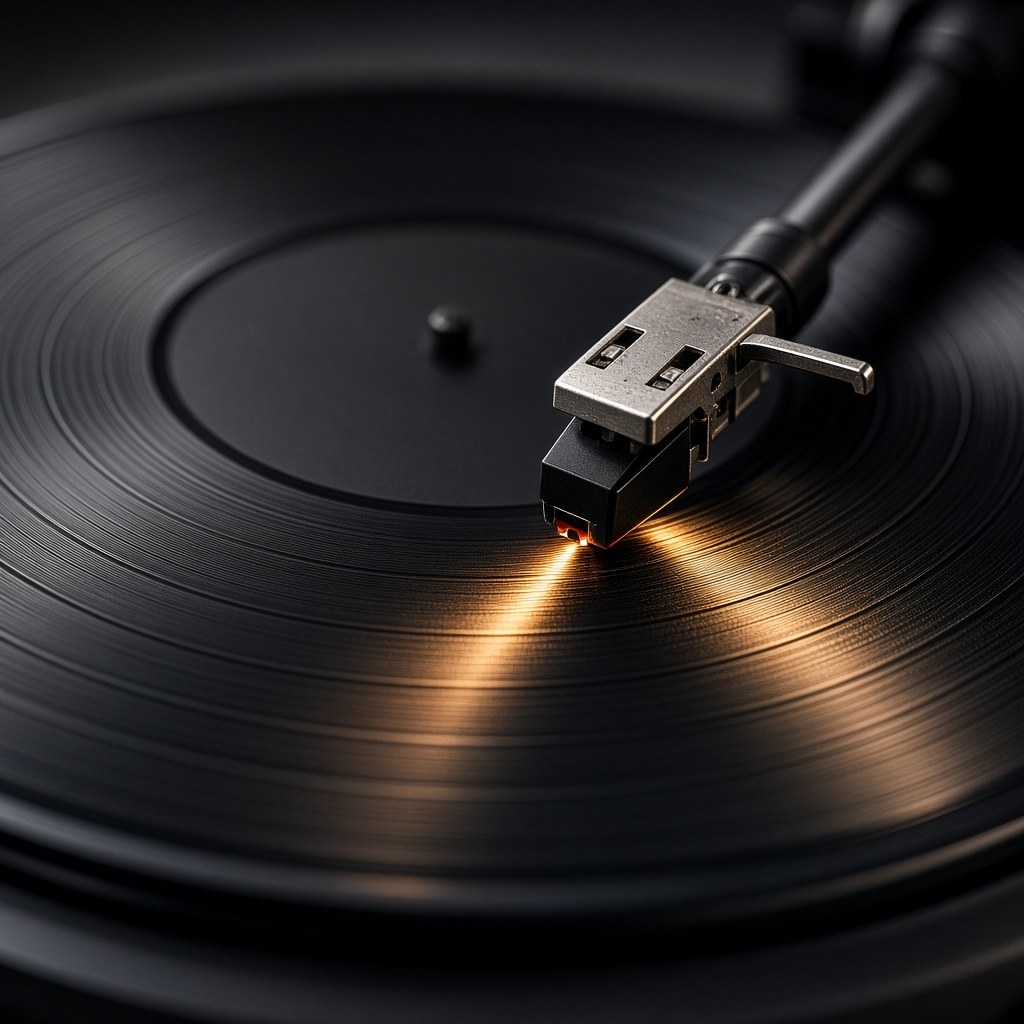
Sunday platter — one album, no interval chatter over it
What to leave outside
There is no jacket rule and no beach rule. Come as you would to a quiet supper. Leave wet swim things, football shirts as a group uniform, and a fog of perfume at the hotel. The next chair has to breathe the same air through a twenty-minute side.
No crate of records to sell or to put on the house deck unannounced. No birthday speaker, no cake procession down the aisle. No filming the trio with a lit phone. Written notes at the door are welcome; a surprise playlist is not.
Umbrellas in the stand. Coats on the rail. Drinks stay at the table or the six stools — not in the center aisle while a side is running. If you need the street, wait for the interval.
Calendar note
Holiday eves, Yom Kippur, and municipal closures do not always match a printed week. Monday stays dark. Extra sleeve talks appear when a pressing deserves the room. Write the door for the week you want — door@haifavinyl.pro or +972 4 837 2290 — and we will confirm the card, not a rumour.