The quiet jazz machine.
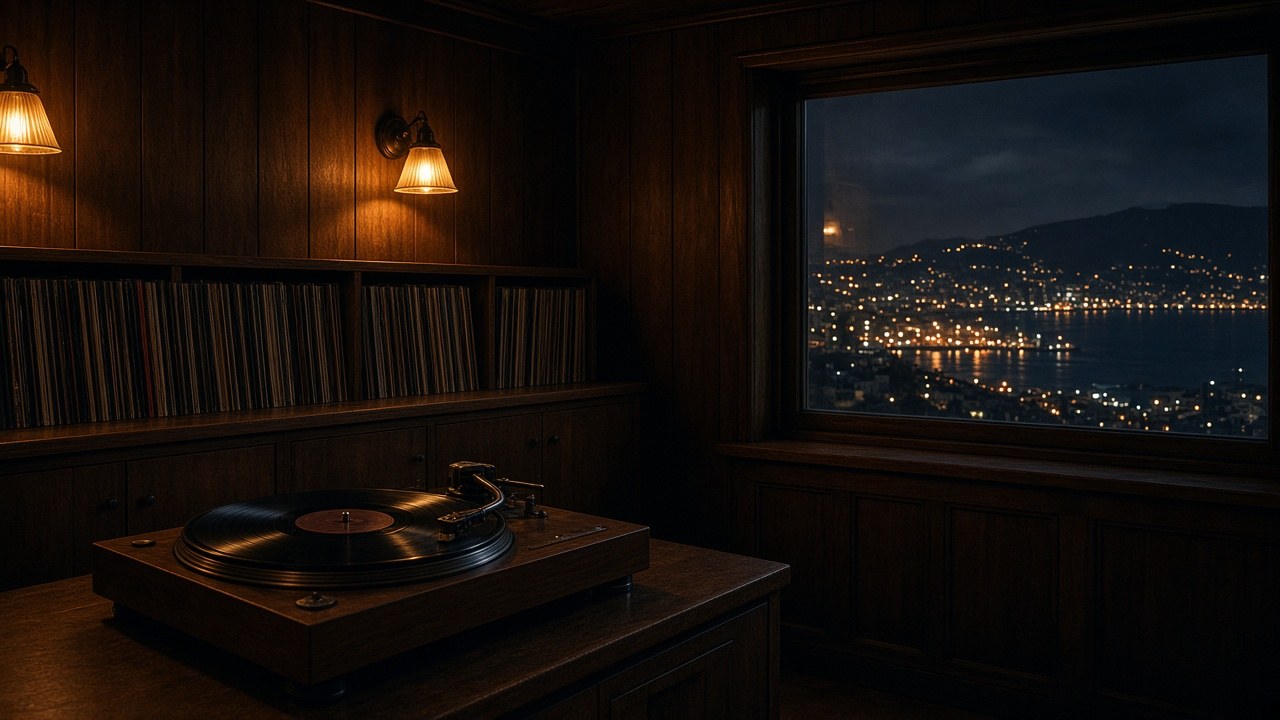
Belt-drive, low noise floor, used for modal work, voice, and anything that would collapse if the motor announced itself. This is the Tuesday and Wednesday table most weeks.
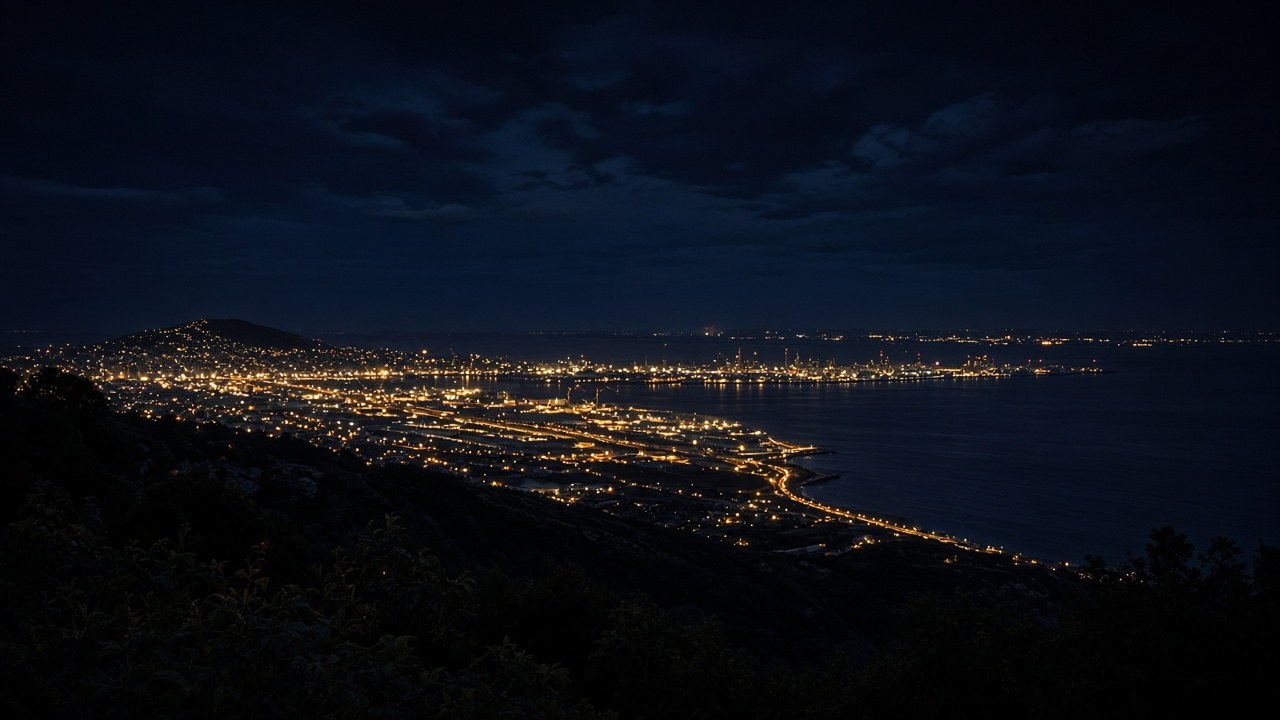
Carmel Center · Haifa
Haifa already had loud rooms and quiet rooms. It did not have a seated house where a side of vinyl is the event and the bay does the rest of the talking.
Since 2018
Listening bars grew first in cities that treat playback as hospitality: a reserved seat, a tuned room, a bartender who knows when not to speak. Haifa offered something those rooms rarely have — a hill, a working port, and a mixed record culture that never belonged to one language.
We took a long interior on HaNassi Avenue in Carmel Center, kept the window on the bay, and built forty-eight seats around two turntables. The Loft is not a music school. It is not a shop that happens to have a counter. It is not a nightclub with a vinyl sticker on the door. Guests sit. Staff pour. The needle does the work.
If the street can still be heard over the groove, the night is too loud. We turn the room down, not the record up.
Carmel Center is walkable from the hotels along the ridge. After 18:00 the avenue settles. That quiet is the real architecture. Without it, a listening bar is just another dim restaurant with a hi-fi in the corner.
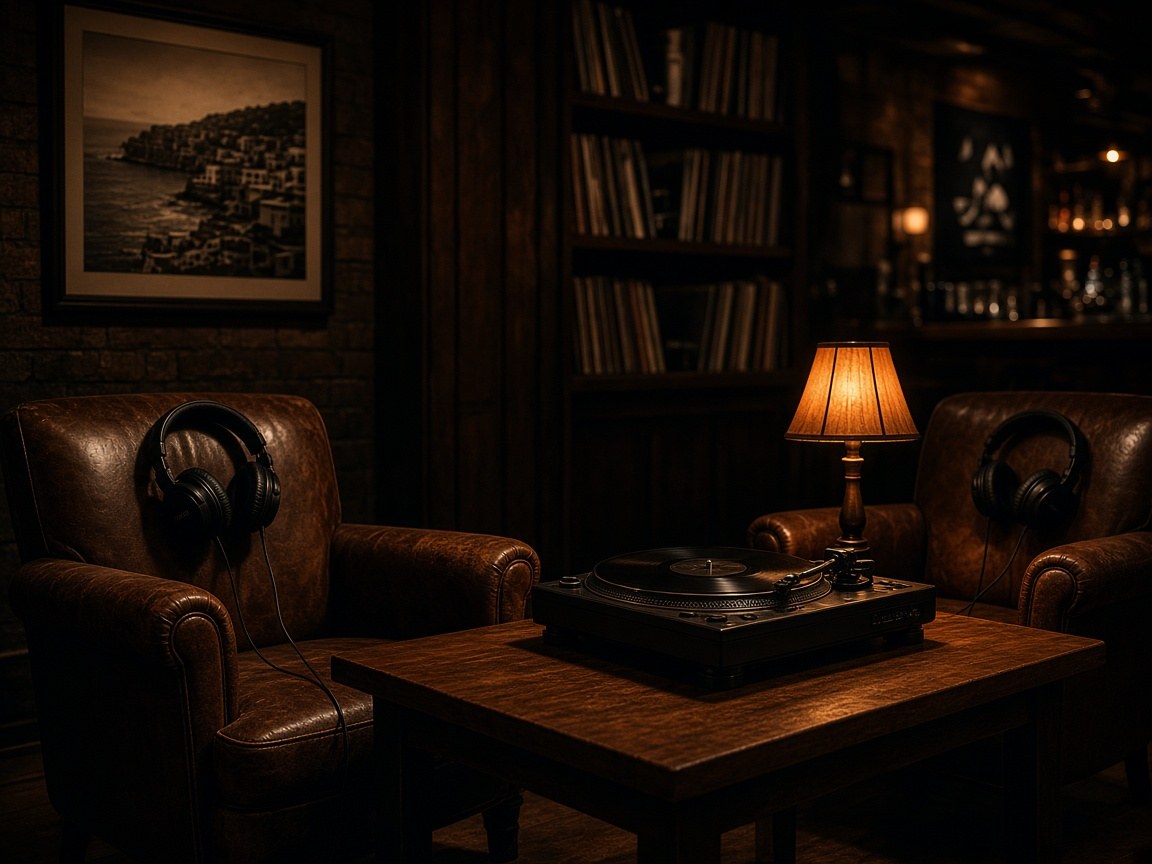
Booth six — window side, last row still hears the cymbal
The collection
The cabinets hold East Mediterranean jazz, Israeli pressings from the late 1960s through the early 1980s, American hard bop originals, Greek and Turkish vocal records that moved through the port, a Brazilian shelf, an Ethiopian shelf, and a short contemporary wall of small-label LPs that earn their place by how they sound in this room — not by how they look on a feed.
Nothing on the floor is for impulse sale during a side. If a guest wants a duplicate pressing, the door can note it after closing. The point of the Loft is playback. The sleeves on the wall are a map of what the house believes is worth an uninterrupted twenty minutes.

Collection wall — filed by night, not by alphabet
The room
The plan is simple. A run of booths on the glass. A center of two-tops. A short bar that seats six without turning the house into a stand-up. The jazz corner is a raised plank, not a stage with truss. When the trio plays, the same lamps stay on. There is no color wash. There is no fog.
Acoustics were treated in 2019 after the first winter: fabric on the back wall, a slightly heavier curtain on HaNassi, and a listening position calibrated from seat 48 as well as seat 1. If you cannot hear the inner groove from the last chair, we have failed the room.
Dress is unfussy. Coats on the rail. We ask only that guests arrive before the needle and treat the person in the next chair as if they came for the same silence you did.
The pour
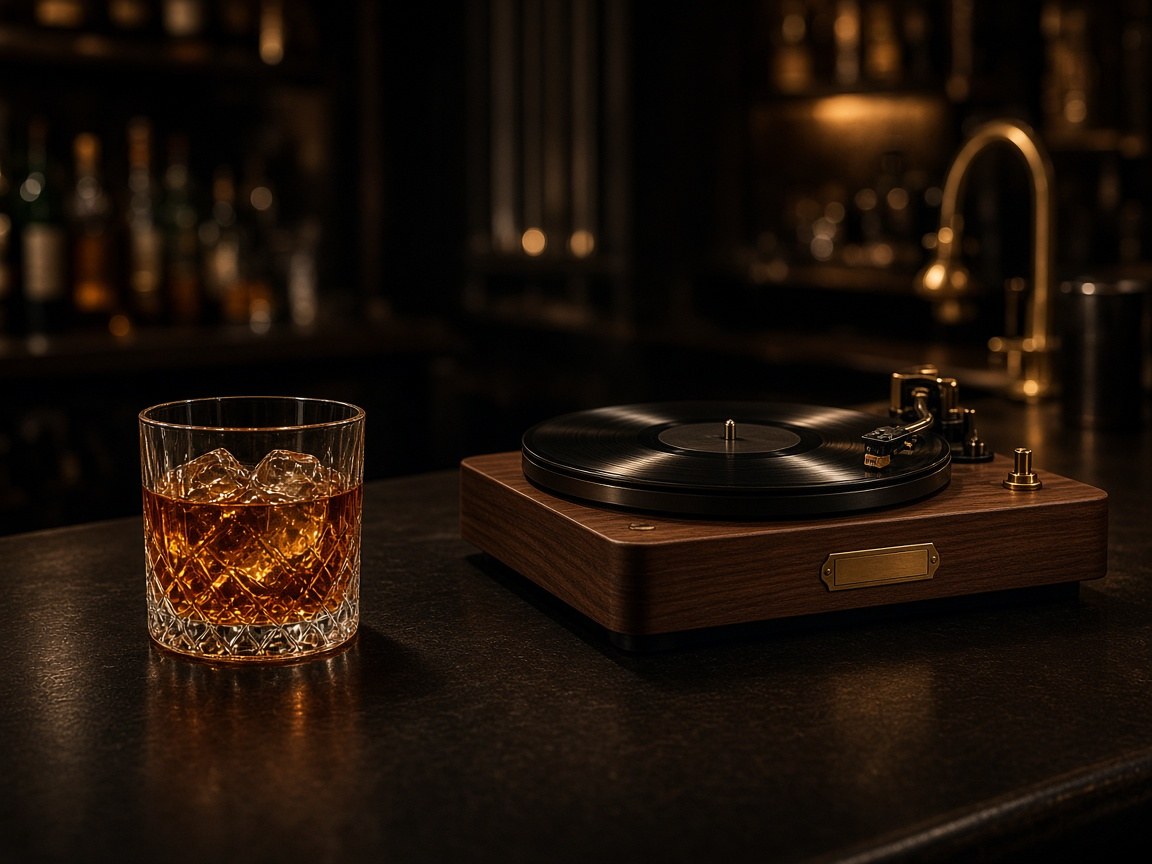
The bar is six stools and a short list. Galilee whites by the glass, a Carmel red that does not fight a vocal side, two malts, one rye, black coffee, and a Turkish pot when the room asks for it. We do not run a circus of crushed ice. We do not invent a cocktail that needs a shaker solo during a saxophone chorus.
Service happens in the interval. If a glass is empty mid-side, it waits. The staff know the run-out times on the evening card. That is hospitality here: the pour respects the groove, not the other way around.
House light — tungsten only, no color wash
Playback
Guests do not come to inspect a rack. They come to sit. Still, the chain has to reach chair 48. A quiet deck carries jazz and voice. A heavier idler carries older Mediterranean and Israeli pressings that need weight, not brightness. Cartridges are chosen for the inner groove in this room, then left alone.
Belt-drive, low noise floor, used for modal work, voice, and anything that would collapse if the motor announced itself. This is the Tuesday and Wednesday table most weeks.
Thicker Israeli and Eastern Mediterranean sessions, radio-orchestra dates, and pressings that sound thin on a polite modern table. Thursday often lives here.
We do not chase loudness to cover a dead corner. We treat the back wall, drop the street curtain, and try the side again. Vanity is a clean last row, not a glowing amplifier.
The door
The door keeps the list, the fifteen-minute hold, and the coat rail. Names are not announced across a playing side. If your table is ready during a ballad, you wait at the threshold until the run-out. That is not stiffness. It is the same courtesy we ask of the next chair.
Written requests are read after closing. Accessibility notes stay with the duty manager, not on a chalkboard. Private listening buyouts are rare and are arranged on paper, never bargained at the bar while a trio is working.
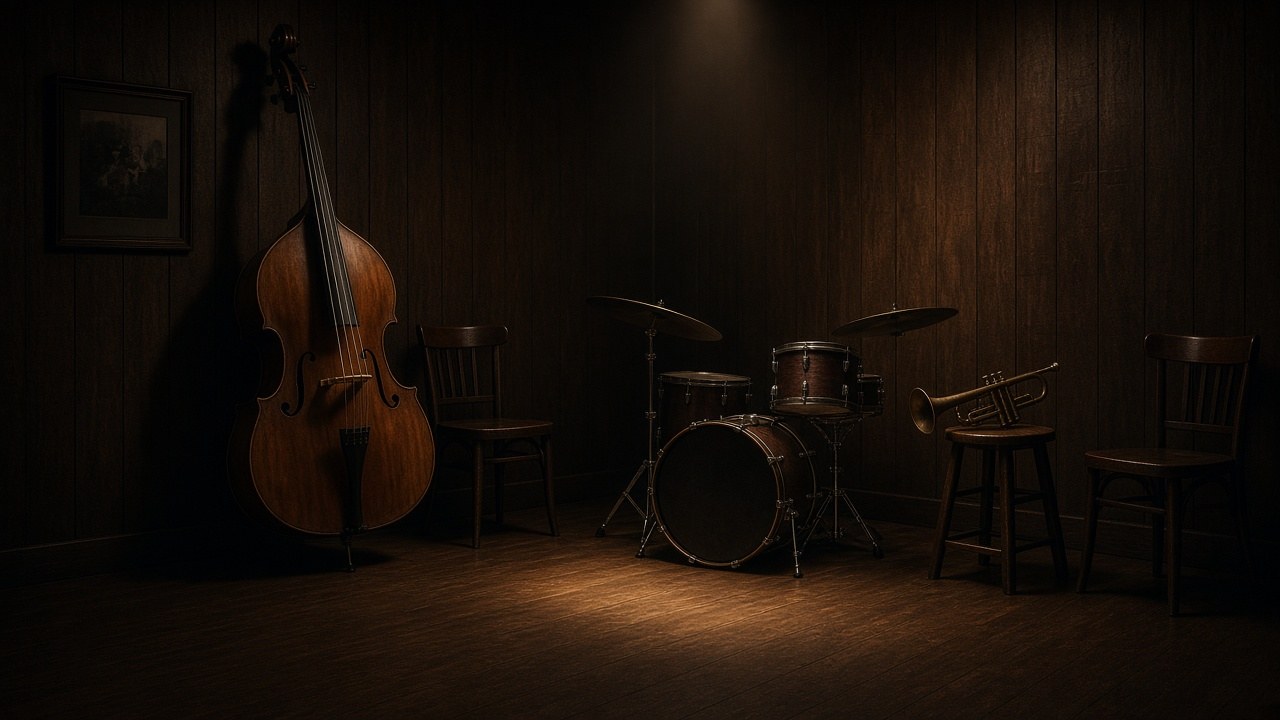
The corner — a plank, not a festival stage
Carmel after six
From the ridge hotels it is a short walk along HaNassi. Taxis know the brass plate at 41. After 18:00 the shops thin and the slope gets its evening air. We built the house for that hour — not for a lunch service, not for a standing after-party.
Monday the cabinets stay closed so the room can rest and the decks can be cleaned. The rest of the week the first needle is the appointment. Arrive a quarter hour early. Leave the street outside.
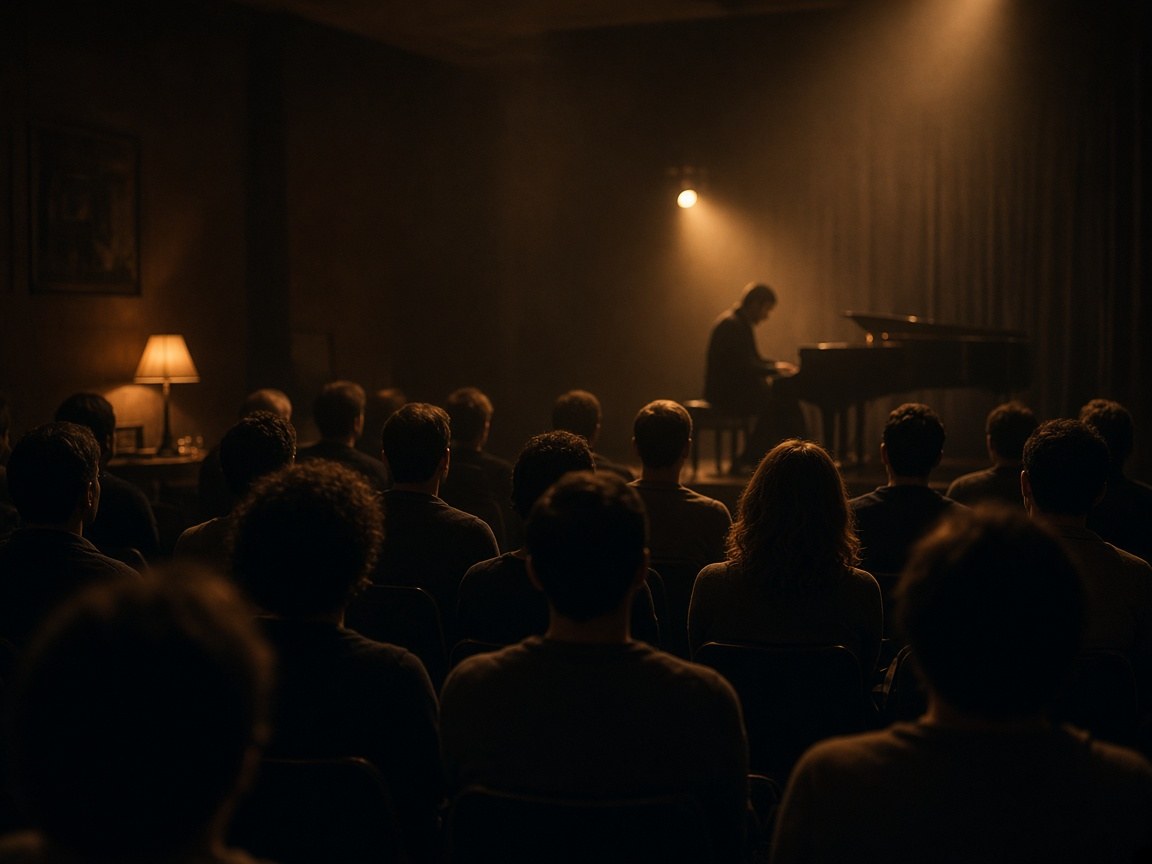
Forty-eight covers — all facing the cabinets
The house
Tuesday to Thursday from 18:00. Friday and Saturday until 01:00. Sunday from 17:00. Write the door with a date and a number of chairs.